
The Workplace of the Future Through Generation Alpha’s Eyes: AI, Flexibility, and a New Purpose for the Office

Generation Alpha may still be sitting in school classrooms today, but it is already shaping the future of the workplace. As the first generation born entirely into a digital world, its members will expect something fundamentally different from employers than previous generations did—from AI as a standard workplace tool and complete flexibility to offices designed for collaboration and inspiration rather than daily attendance. What changes can companies, managers, and work environments expect in the years ahead?
Who Exactly Is Generation Alpha?
Generation Alpha follows Generation Z demographically. It includes people born between 2010 and 2025. This generation is slightly larger than Gen Z, largely due to the birth surge around 2021 (following the COVID-19 pandemic).
The name, coined by Australian demographer Mark McCrindle, symbolizes a new beginning—it is the first generation whose members were all born in the 21st century.

Generation Alpha cannot be managed through micromanagement or authority alone. They will expect managers to act as coaches and mentors. If a company fails to offer modern technology, complete flexibility, and a clear ethical purpose, many members of Gen Alpha will simply create their own jobs as freelancers or independent professionals.

Is It Already Time for Employers to Pay Attention to This Generation?
In 2026, the oldest members of Gen Alpha are around 15–16 years old, an age when ideas about part-time jobs, careers, and their future begin to take shape. Within the next 5–10 years, these young people will become a key focus for companies and recruitment managers.
What Do We Know About Them and Their Workplace Preferences?
They are true digital natives. Unlike Gen Z, which helped shape the digital world, Gen Alpha was born into a world of fully developed smartphones, tablets, and streaming services. The year 2010—the beginning of their generation—was also the year the first iPad was introduced and Instagram was launched.
They are the children of Millennials, who tend to approach parenting responsibly and consciously. Alphas are raised to communicate openly about mental health, inclusion, and diversity.
They are also shaped by the pandemic. Their early childhood or school years took place during lockdowns. Online learning, hybrid environments, and social isolation were not anomalies for them—they were formative experiences.
Although most members of Gen Alpha have not yet entered the workforce full-time, their current behavior, educational environment, and the values of their parents allow us to predict what they will expect from employers.

AI and Technology as Natural Colleagues
For Gen Alpha, artificial intelligence (AI) is neither a revolution nor a threat. It is simply a standard tool, much like search engines or calculators are for us today.
In the workplace, they will expect automation to handle routine tasks. If a company remains stuck with outdated systems and excessive administration, Gen Alpha is unlikely to stay for long.

Absolute Flexibility and a Hybrid Reality
The concept of “nine-to-five in the office” will feel medieval to this generation. Thanks to their experience with online learning, they see work as an activity rather than a place.
They will expect asynchronous work arrangements—the ability to organize their work and complete tasks according to their own schedules and peak productivity times, rather than according to a manager’s timetable.
Their work environment will need to be fluid, allowing them to work from home, from a café, or potentially through a digital twin. While this may sound futuristic today, the arrival of the first mass-produced holographic displays could make such scenarios a practical reality much sooner than expected.

Financial Literacy and Entrepreneurship (Solopreneurs)
From an early age, Gen Alpha sees peers making money online as streamers, content creators, and young innovators.
Many will not aspire to have a traditional boss. A significant increase in solopreneurship and project-based work is expected, where individuals are hired to deliver specific outcomes within defined timeframes rather than becoming full-time employees. Their digital literacy opens up extraordinary opportunities for self-employment and independent careers.
They will expect transparency regarding compensation and a clear understanding of how their performance affects their earnings. Unclear KPIs and unfulfilled promises will quickly lead to frustration.

Well-Being and the “Coffee-Shop Vibe”
As the children of Millennials, they are accustomed to openly discussing their needs.
In the workplace, they will demand a high level of physical comfort. Gen Alpha is expected to move away from long periods of focused desk work toward more interactive and dynamic working styles.
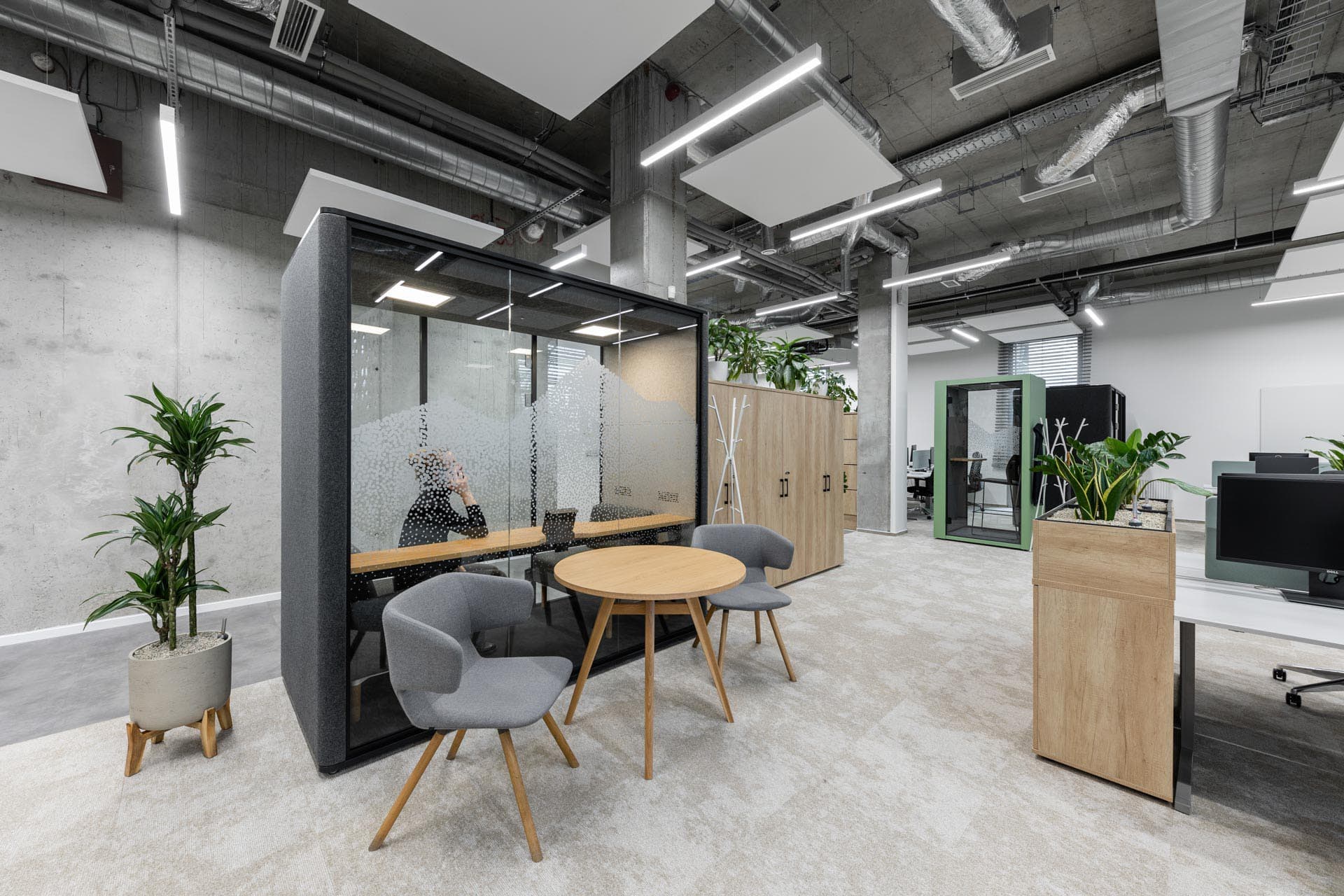
Fixed workstations—“my desk, my chair”—will feel outdated to them. Offices will need to adapt and transform according to changing needs and activities.
Perks such as a “cool relaxation area with table football” will not impress them. Instead, they will value ergonomic workspaces and the ability to personalize their microclimate throughout the day.
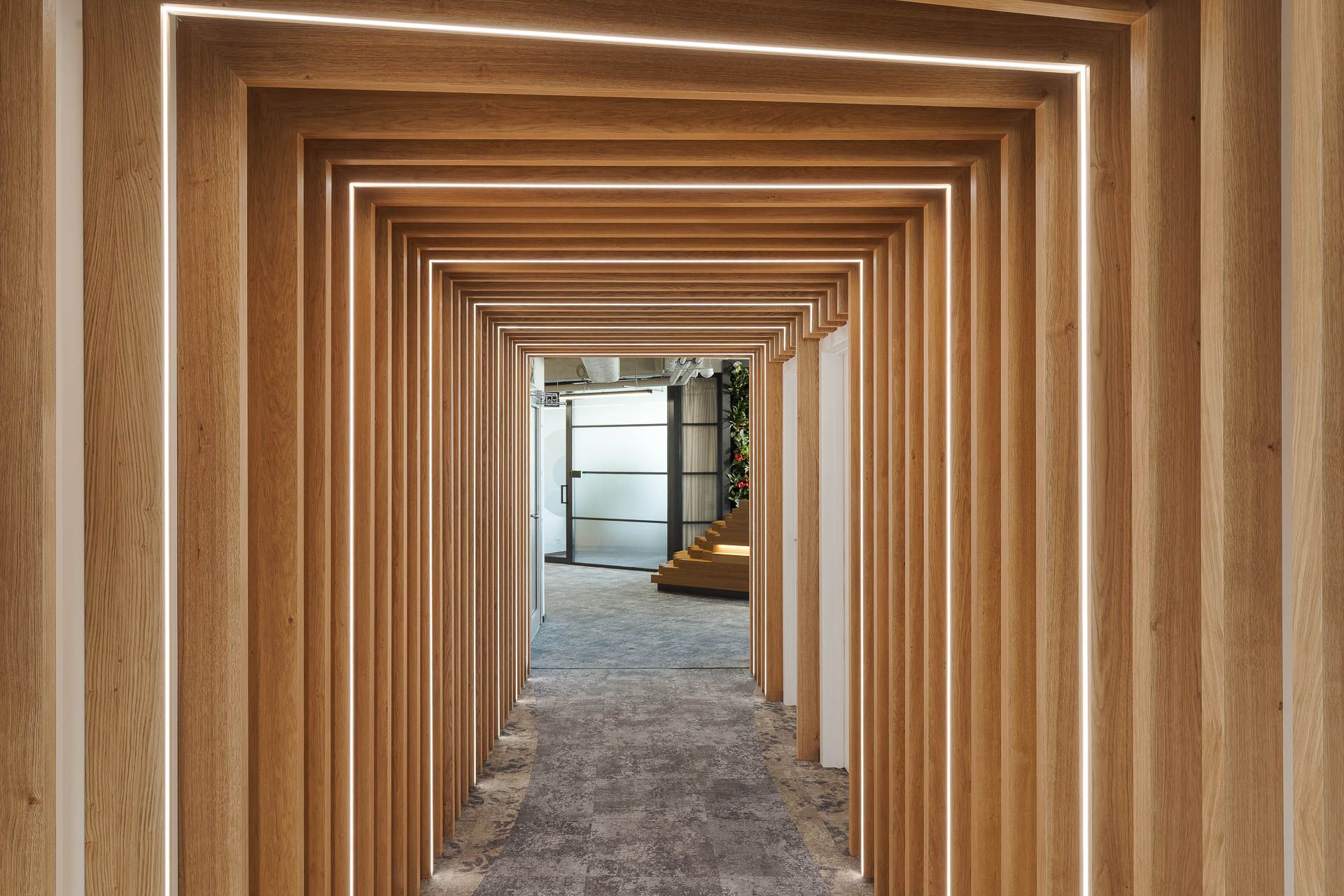
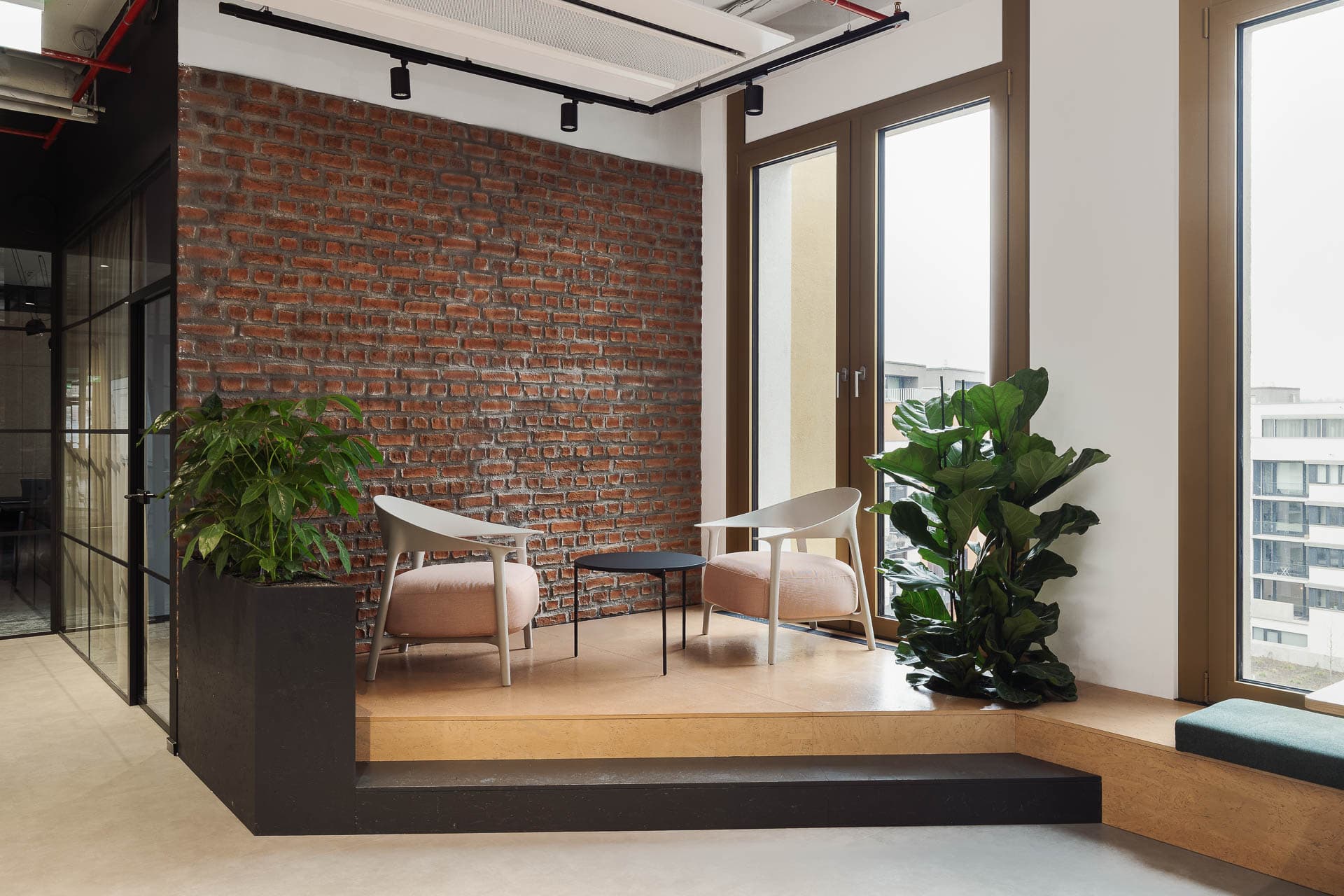
For Gen Alpha, the office will resemble a high-tech wellness club—a place to recharge, meet people face-to-face, solve complex creative challenges, and then return to working from home or from a café. If the office does not provide a better experience and better technology than their own room, they may not see a reason to come in at all.
An interesting new office space could be content creation studios—podcast rooms equipped with microphones and professional lighting. Since Alphas are accustomed to visual forms of communication, traditional text announcements and emails will not be their preferred medium.
When an Alpha employee wants to provide a project update to a client or manager, they may prefer recording a short, impactful video or creating an interactive presentation rather than writing a lengthy report.
Generations Z and Alpha are the first generations to enter working life without firsthand experience of the 2008 financial crisis and the years of economic hardship that followed. As a result, they are likely to be more confident, more individualistic, and more inclined to ask, “Why do we do things this way?” Managers who cannot answer that question convincingly may struggle to retain them.
Gen Z and Gen Alpha in the Same Workplace
What will these generations bring to the workplace beyond their expectations?
Gen Z are masters of online networking, with the smartphone at the center of their universe.
Gen Alpha, meanwhile, moves through technology as naturally as fish move through water. Technology is invisible infrastructure to them. Gamified learning, interactive collaboration, content co-creation, and virtual experiences are integral parts of how they engage with the world.
As these two generations begin to meet in the workplace during the second half of this decade, Gen Z will likely mentor Alphas in interpersonal relationships and practical business realities. In return, Gen Alpha will teach Gen Z how to effectively delegate work to artificial intelligence and automated systems.
Autor: Lucie Hudák Malá
Photographers: Tomáš Slavík, Tomáš Hejzlar, Tomáš Havel
Published: 4. 6. 2025